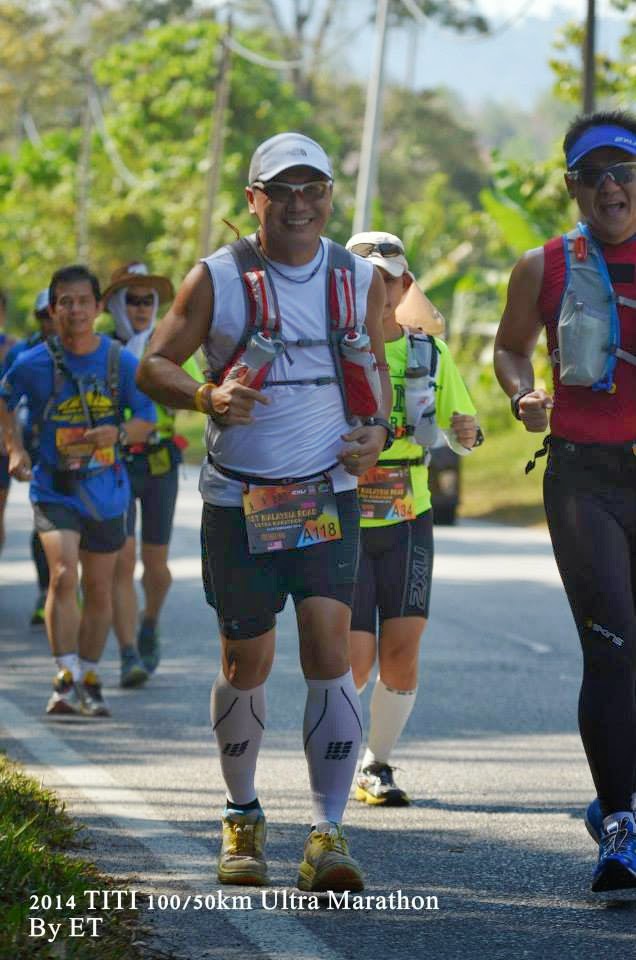
Why is it important to constantly hydrate our self in our active sport lifestyle?
Ever since I get myself involved in an active sport lifestyle, the question on body hydration often pop-up in my mind. Why is it important to hydrate? When to hydrate? What to hydrate? How much to hydrate? I came to understand that there are 3 basic phases to look into and prepares the body for your race/event, they are Pre-Race, Race-Day & Post-Race; all 3 of this phases are crucial to maintain the body for optimum performance. However, not everyone understands and focus on these basic preparation in these phases and neglects it.
I am a long distance runner, I prefers to sip just a little water to get my airway wet and hydrate a little in moderation so I dun get stitches; while I prepares my body through the 3 phases for my runs. I would suggest to the beginner runners to do ur 3 phases preparation before your race day and do not gulp down the whole cup of liquids at the water station, you will get stitches as you run-on.
To train physically without the proper understanding of how our body works will cause more harm to our body instead, this is what my Sports Medicine doctor told me when I went to him for my injury treatment and recovery. With the helps and guidance of him, I was able to expand my knowledge and understand how to train my body; with proper strengthening and recovery after every run.
This posting article was given to me by my Sports Medicine Doctor, so that I have a better understanding on the importance of fluids the body needs in sports. I'm just reposting the "FLUIDS IN SPORT" fact sheet, published by Sports Dietitians Australia / SDA; to share the facts with my readers and also my own reading storage.
** Actual Publication by Sports Dietitians Australia is available at https://www.sportsdietitians.com.au/wp-content/uploads/2015/04/Fluids-in-sport.pdf
FLUIDS IN SPORT - Fact Sheet (Published by Sports Dietitians Australia / SDA)
1. WHY FLUIDS IS IMPORTANT
Water is essential for the human body. It is required to maintain blood volume, regulate body temperature and allow muscle contractions to take place. During exercise, the body maintains its optimal body temperature through sweating. Heat is removed from the body when beads of sweat production (and therefore fluid loss) increases with a rise in ambient temperature and humidity, as well as with an increase in exercise intensity. So while sweat loss during exercise is essential for body temperature regulation, it can lead to dehydration.
Drinking fluid during exercise is necessary to replace fluids lost in sweat. However, in most (elite) cases the rates of sweat loss are higher than the rate of fluid intake. This can lead to a fluid deficit which ultimately increases the likelihood of dehydration. Therefore, fluid guidelines should promote drinking more fluid to reduce the deficit and potential performance detriments associated with dehydration. However, it is also important to acknowledge that it is possible to over-drink during exercise. This highlights the importance of getting to know your sweat rate and knowing how much you should be drinking. Your sports dietitian can help to tailor an individual fluid plan for you.
2. DEHYDRATION AND PERFORMANCE
As dehydration increases, there is a gradual reduction in physical and mental performance. There is an increase in heart rate and body temperature, and an increased perception of how hard the exercise feels, especially when exercising in the heat. Impaired skill level can also occur, along with mental fatigue. Studies show that loss of fluid equal to 2% of body mass is sufficient to cause a detectable decrease in performance (that's a 1.4 kg loss in a 70 kg athlete). Dehydration of greater than 2% loss of body weight increases the risk of nausea, vomiting, diarrhea and other gastro-intestinal problems during and after exercise.
Dehydration also reduces the rate of fluid absorption from the intestines, making it more difficult to reverse the fluid deficit. You may end up feeling bloated and sick if you delay fluid replacement. It is impossible to "train" or "toughen" your body to handle dehydration.
3. CAN YOU DRINK TOO MUCH
Drinking more fluid than is comfortable (in any conditions) has the potential to interfere with your performance. In cool weather or when the exercise pace is gentle, the rate of sweat loss may be quite low. It is unnecessary and potentially dangerous to drink at rates that are far greater than sweat losses. Over-hydration during exercise is called hyponatraemia (dilute levels of sodium in the bloodstream). Symptoms include headaches, disorientation, coma and in severe cases, death. It is important to note through that this is relatively rare and dehydration is a much more common issue for athletes.
4. ESTIMATING YOUR FLUID LOSS
Knowing your sweat rate can give you an indication of how much you should be drinking during exercise. Sports dietitians routinely measure an athlete's sweat rate during training and competition in a range of environmental conditions, to provide them with the information required to design an individual fluid plan. A simple strategy to work out your individual fluid loss is as follows:
- Weigh yourself in minimal clothing, as close to the start of exercise as possible. Ideally you should empty your bladder before weighing.
- Commence exercise session
- Weigh yourself at the end of your session, in minimal clothing again, ensuring your towel off any excess sweat from your body, pass urine and void your bowels if necessary.
- Your weight change during exercise reflects your total fluids loss; i.e. the difference between your sweat losses and fluid intake. Other minor losses come from breathing, spitting, vomiting and other insignificant sources.
- Repeat this procedure under different training conditions to get a good understanding of your individual fluid needs, for example in hot vs. cold temperatures, high intensity vs. low intensity sessions.
- Remember that weight loss during exercise is primarily water loss (not fat loss), and needs to be replaced soon after finishing exercise.
Drinking fluid during exercise helps to prevent a drop in performance caused by dehydration, and fluid after exercise will re-hydrate you. The amount of fluid and the timing of drinks depend on the individual and the sport.
Here are some tips:
- Always start exercise well hydrated: this will lower the risk of becoming dehydrated during sport. Urine colour can be indicative of hydration status
- Aim for a pale yellow colour, as dark urine can represent a dehydrated state. There is minimal performance benefit to being over-hydrated as drinking excessive amounts of fluid before exercise causes increased urination and feeling bloated
- Develop a plan for drinking during exercise based on your own fluid losses and sweat rates.
- Immediately after exercise, monitor your weight change to estimate your final fluid deficit. During recovery, you will continue to lose fluids through sweating and urine losses, so plan to replace 125-150% of this fluid deficit over the next 2-6 hours. Fro example, if you lost 1 kg (1000mL), you will need to drink 1250-1500mL to fully re-hydrate. Drink fluids in conjunction with your recovery snacks and meal to achieve this goal.
- Different sports pose different challenges and opportunities for optimal hydration. For team and racquet sports there are formal breaks between play, with substitutions and time outs, all offering an opportunity to drink. Some individual sports require you to drink on the move. Be smart and practice strategies to get maximum benefit from fluid intake with minimal fuss and discomfort. Try special squeeze bottles, or hands free drink pouches if practical.
- Thirst is not an effective indicator of hydration status while exercising. There is usually a significant fluid loss before you feel thirsty. When drinking, your thirst will be satisfied well before these losses have been fully replaced. Therefore, it is important to practice a fluid intake plan that is appropriate for you.
As there are many drinks options available, you now need to think about which is best for you. Plain water alone is an effective drink for fluid replacement, especially in low intensity and short duration sports. However, if carbohydrate and electrolytes are added to water, as in a sports drink, performance can be enhanced, especially in high intensity and endurance sports. Carbohydrate provides an important energy source for muscles and the brain, as well as enhancing flavours. This can be one advantage of a sports drink over plain water; a flavoured drink is generally consumed in greater quantity than a non-flavoured drink.
Electrolytes such as sodium are lost in sweat and need to be replaced during and after prolonged exercise. Sodium in fluid improves fluid intake as it stimulates the thirst mechanism, promotes both carbohydrate and water uptake in the intestines, and reduces the volume of urine produced post-exercise. Sports drinks contain appropriate amounts of electrolytes for most sporting situations.
Of course, salt can be consumed in foods that are eaten at the same time as post-exercise fluids.
For more information, see the SDA fact shee on Sports Drinks.
Caffeine
There are a growing number of drinks on the market that contain a number of ingredients including caffeine. Caffeine is no longer banned by the World Anti Doping Agency. The consumption of small to moderate doses of caffeine (75 - 200mg) can help to sustain exercise performance, reduce the perception of effort, and is unlikely to alter hydration status during exercise in such doses. However, the use of caffeine amongst athletes is often ad hoc and they may be unaware of the potential detrimental side effects associated with its use. Ensure that you discuss the use of caffeine with your sports dietitian or sports scientist and consider individual responses to caffeine.
Alcohol
Alcohol is not a suitable fluid to choose immediately after exercise, as it impairs vital recovery processes, and may also impair the ability to rehydrate effectively post-exercise. If you choose to drink alcohol after exercise, look after your recovery needs first (i.e. replacing fluids, carbohydrate stores and consuming some protein to assist with muscle repair) and then consume alcohol in sensible amounts. However if a soft-tissue injury is suspected, alcohol should be avoided as it can increase swelling and counter recovery goals.
7. FLUIDS GUIDELINES SUMMARY
The detrimental effects of dehydration on performance may include:
- Loss of coordination, impaired ability to make a decision, increased rate of perceived exertion and increased risk of heat stress.
- Aim to match your sweat rate and fluid loss with fluid intake as closely as possible.
- Get to know your fluid loss by weighing yourself before and after training sessions and competition.
- Ensure that you drink at a rate that is comfortable.
- Practice your competition fluid intake plan in training sessions.
- Water is an excellent fluid for low intensity and short duration sports.
- Sports drinks are ideally suited to high intensity and endurance sports.
- Drink alcohol sensibly and assess the detrimental effects on your recovery.
CONCLUSION
Human body is a complex engineering anatomy, but this is all linked in a direct chain reaction that affects one organ to another. In our very own determination and persistency to optimize our physical achievements by tough physical trainings, why not spend some time to increase our knowledge to understand our very own human body anatomy while we persist to achieve the impossible and to go beyond our own limit.
** FLUIDS IN SPORT (FACT SHEET) is the publication of Sports Dietitians Australia / SDA)